
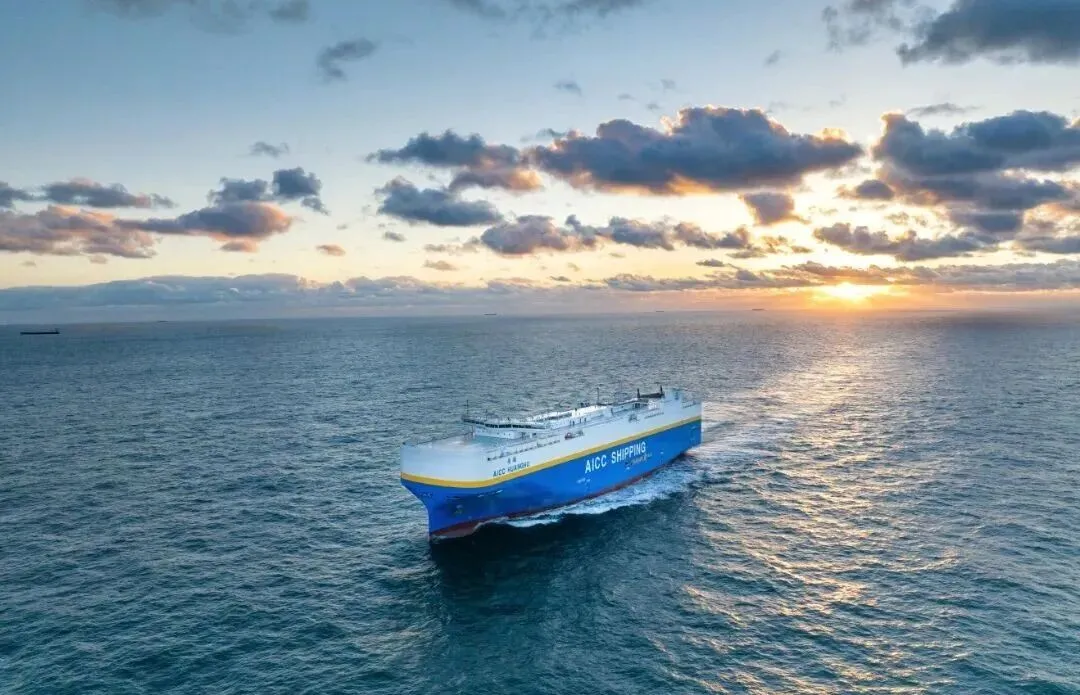

For one or two complete vehicles, Ro-Ro is often the simpler sea-freight option; a container is usually worth considering when the destination, cargo mix, protection needs, or local handling requirements make it a better operational fit. The right choice is not a universal price rule. It depends on the actual vessel schedule, port pair, vehicle condition, loading plan and the buyer’s destination-country arrangements.
Start with the practical difference
Ro-Ro (roll-on/roll-off) is a vessel service designed for wheeled cargo. A vehicle is driven or moved on board and secured in the ship’s vehicle decks. A container shipment places the vehicle inside a sealed container that moves through the container terminal system. Both may be used for vehicle exports, but availability and acceptance rules differ by carrier, port, destination and vehicle type.
Ask for a quote only after the vehicle, origin port, destination port and cargo condition are clear. A cheap-looking ocean freight figure can omit terminal, documentation, loading, inspection, destination or inland charges.
When Ro-Ro can be the better fit
Ro-Ro is commonly a natural option for complete, running vehicles when a suitable sailing serves the required ports. It avoids container loading work and lets the shipment follow the carrier’s vehicle-handling process.
- Single-vehicle or small-volume moves: where the carrier accepts the vehicle and a viable sailing exists.
- Standard complete vehicles: where the vehicle can be handled safely under the carrier and terminal rules.
- Clear port-to-port planning: where the buyer or local agent can receive the unit at destination and arrange customs clearance and onward transport.
Ro-Ro does not mean every vehicle is automatically acceptable. Carriers and terminals may set requirements for drivability, fuel level, batteries, keys, alarms, loose items, damage condition and dangerous-goods declarations. An EV or plug-in hybrid needs case-specific confirmation; its battery status and carrier documentation requirements should be checked before booking.
When a container may be the better fit
A container can make sense when the route has stronger container service, when the buyer needs a defined loading plan, or when compatible cargo can legally and safely travel together. It also creates a physical enclosure around the vehicle during the ocean leg, although it does not remove the need for proper lashing, condition records or insurance decisions.
- Route availability: some port pairs have frequent container services but limited Ro-Ro calls.
- Consolidated cargo: a buyer may have compliant parts or accessories that can be planned with the vehicle, subject to carrier, customs and packing rules.
- Handling preferences: the destination forwarder may be set up for container stripping and local delivery.
- Non-running or special-condition vehicles: acceptance is never assumed; a specific loading and carrier approval plan is required.
Container loading is a controlled operation, not simply driving a car into a box. The loading team needs suitable equipment, lashing points and a documented plan. Dimensions, ground clearance, battery condition and whether other goods are permitted all affect feasibility.
Compare the complete shipment, not only ocean freight
| Question | Ro-Ro | Container |
|---|---|---|
| How is the vehicle handled? | Moved on/off a vehicle vessel and secured on deck. | Loaded, lashed and secured inside a container. |
| Best starting use case | Complete running vehicle with a matching sailing. | Route or cargo plan that benefits from container handling. |
| Key planning checks | Carrier acceptance, condition, sailing and destination release process. | Container type, loading plan, lashing, cargo compatibility and destination stripping. |
| Costs to compare | Ocean freight plus origin/destination port and handling charges. | Ocean freight plus container, loading, lashing, terminal and destination charges. |
Neither column promises a fixed cost or transit time. Rates and schedules change with capacity, season, equipment availability, port congestion, carrier rules and local charges. Request an itemized, dated quote and confirm what is included at both ends.
Documents and responsibility split
Before shipment, confirm the export document set required for the transaction and the destination. Typical shipping paperwork may include a commercial invoice, packing information where applicable, export customs documentation and a bill of lading. Exact documents depend on the vehicle, trade terms, exporter, carrier and importing country.
LEO EV CAR can coordinate sourcing in China, vehicle inspection, export documents, inland delivery to the port and handover for shipment. We do not assume responsibility for destination customs clearance, duties, certification, registration or local delivery; those are normally handled by the buyer or its local agent. Align those responsibilities before payment and booking.
A decision checklist before booking
- Confirm the exact VIN, vehicle condition, dimensions and energy type.
- Ask the destination agent which arrival method it can receive efficiently.
- Check current carrier acceptance and the next available sailing for both options.
- Compare itemized origin, ocean and destination charges on the same trade-term basis.
- Confirm who controls customs clearance, duties, insurance and inland delivery after arrival.
- Keep inspection photos, condition notes and loading or handover records with the shipment file.
Plan your China vehicle export with the right freight method
Start with the vehicle model, VIN, pickup city, destination port and whether you have a destination customs agent. LEO EV CAR can assess the China-side export workflow and request a route-specific shipping option; we will explain the available assumptions instead of promising a generic rate.
For the wider workflow, read our China car export process guide, used-car inspection checklist and China car export cost breakdown.
Website: https://leoev.cn/
WhatsApp: +86 130 5520 8462
WeChat / phone: +86 130 5520 8462
Telegram: @leo_china_car and @leousedcar
Email: linshengchun@leoev.cn