

A used EV battery report can reduce uncertainty before you export a vehicle from China, but it is not a promise of future range or a substitute for the buyer’s local compliance checks. Read it together with the VIN, vehicle condition, charging history where available, and a road-test or workshop inspection. For an overseas buyer, the useful question is simple: does this report identify the exact vehicle, explain what was actually tested, and show any issue that should change the purchase decision?
Start by matching the report to the vehicle
Before reviewing battery numbers, confirm that the report belongs to the car you intend to buy. Check the VIN against the vehicle registration documents, listing, dashboard or body marking, and the export contract. Also compare the make, model, model year, battery type, odometer reading, inspection date and report number. A report for a similar trim or an earlier inspection does not prove the condition of the current vehicle.
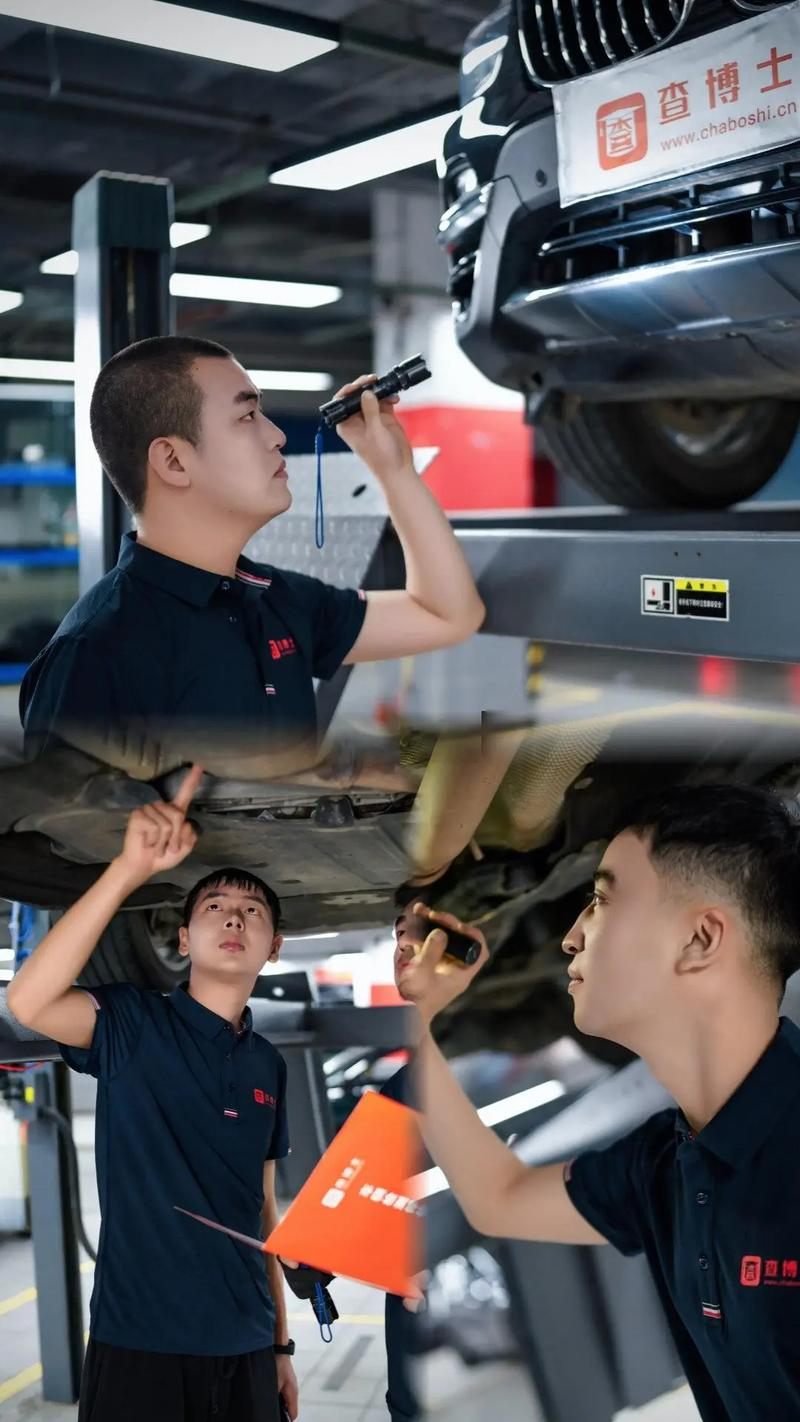
At LEO EV CAR, we can arrange or commission a Chaboshi inspection as part of a used-car inspection checklist before export. The exact EV test items and compatibility depend on the vehicle and the available report.
Know what the battery result actually measures
Battery reports use different labels. Do not assume that one figure answers every question. Ask what the report’s provider measured and under which conditions.
- State of health (SOH) normally describes an estimated remaining capacity relative to a reference value. It is useful for comparison, but it is a calculated result, not a guaranteed future range.
- State of charge (SOC) is the charge level at the time of inspection. A low SOC is not automatically a defect; it can limit which checks can be completed.
- Cell voltage consistency helps identify whether individual cells appear unusually different from each other. The report should state the test condition rather than presenting a number without context.
- Fault codes and warnings may point to battery, charging, thermal-management or communication issues. Ask whether the code was current, historical, cleared, or still present after a recheck.
- Charging and insulation information, when available, can help identify abnormal charging behavior or electrical concerns, but it should be interpreted by a qualified technician.
Read the exceptions before the headline score
A prominent green score can be reassuring, but the exceptions and limitations are often more important. Look for notes about unavailable modules, a vehicle that could not be fully charged, communication interruptions, warning lights, water ingress indicators, accident evidence, modified wiring or a test that was not completed. If a report records a limitation, ask for photos, diagnostic screenshots or a new inspection before releasing payment.
For battery packs, visible underside condition matters as well. Pictures of the pack enclosure, high-voltage cables, charging port area and underbody can reveal impact marks, corrosion, loose covers or non-original repairs that a single capacity figure cannot explain. The battery should never be opened or handled by an unqualified person for a buyer’s remote check.
Compare the report with real vehicle use
Ask the seller or inspector to document the odometer, current charge level, dashboard warnings and a short drive where it is safe and practical. Range estimates shown on the dashboard are influenced by temperature, route, driving style and recent use. They are not an independent battery-capacity certificate. A battery report also does not confirm the availability of charging infrastructure, connector compatibility or software services in your destination country.
For a vehicle intended for export, confirm the factory battery specification from the exact model and configuration. Do not rely on a generic web listing. The vehicle’s usable capacity, battery chemistry and charging equipment can vary by trim, production batch and market version.
Questions to ask before paying
- Can you provide the full report, not only a summary image?
- Does the VIN, odometer and inspection date match the vehicle now offered?
- Which battery and high-voltage checks were completed, and which were unavailable?
- Are any active fault codes, warning lights, repairs or report exceptions present?
- Can you supply recent photos and video of the dashboard, charging port, underbody and vehicle identification?
- Will the purchase agreement record the agreed vehicle identity and condition evidence?
These checks sit alongside the seller verification steps in our buyer verification checklist before paying a China used-car seller. Neither checklist replaces a destination-country inspection, import approval or registration requirement.
Understand what LEO EV CAR handles
LEO EV CAR primarily supports sourcing in China, condition checks, export documentation, domestic transport and port handover. We can coordinate the evidence needed for your purchase decision, including an inspection report where suitable. Customs clearance, duty, certification, registration and local delivery in the destination country are normally handled by the buyer or local agent. For a wider view of cost items, see our China car export cost breakdown; freight and destination charges should be quoted for the actual vehicle, route and date rather than assumed from a fixed estimate.
Request a vehicle-specific review
Send us the listing link, VIN if available, target destination and your planned use. We will confirm what evidence can be collected for that exact vehicle and explain any inspection limits before purchase.
Website: www.leoev.cn
WhatsApp: +86 130 5520 8462
WeChat / phone: +86 130 5520 8462
Telegram: @leo_china_car and @leousedcar
Email: linshengchun@leoev.cn